
 Italiano
 English





A perfect combination of character and sweetness, where the bold flavor of horse meat meets the extra red onion jam...

Contact us:
info@nonna-aretusa.it
info@nonna-aretusa.it
Left Banner
Latest News
-
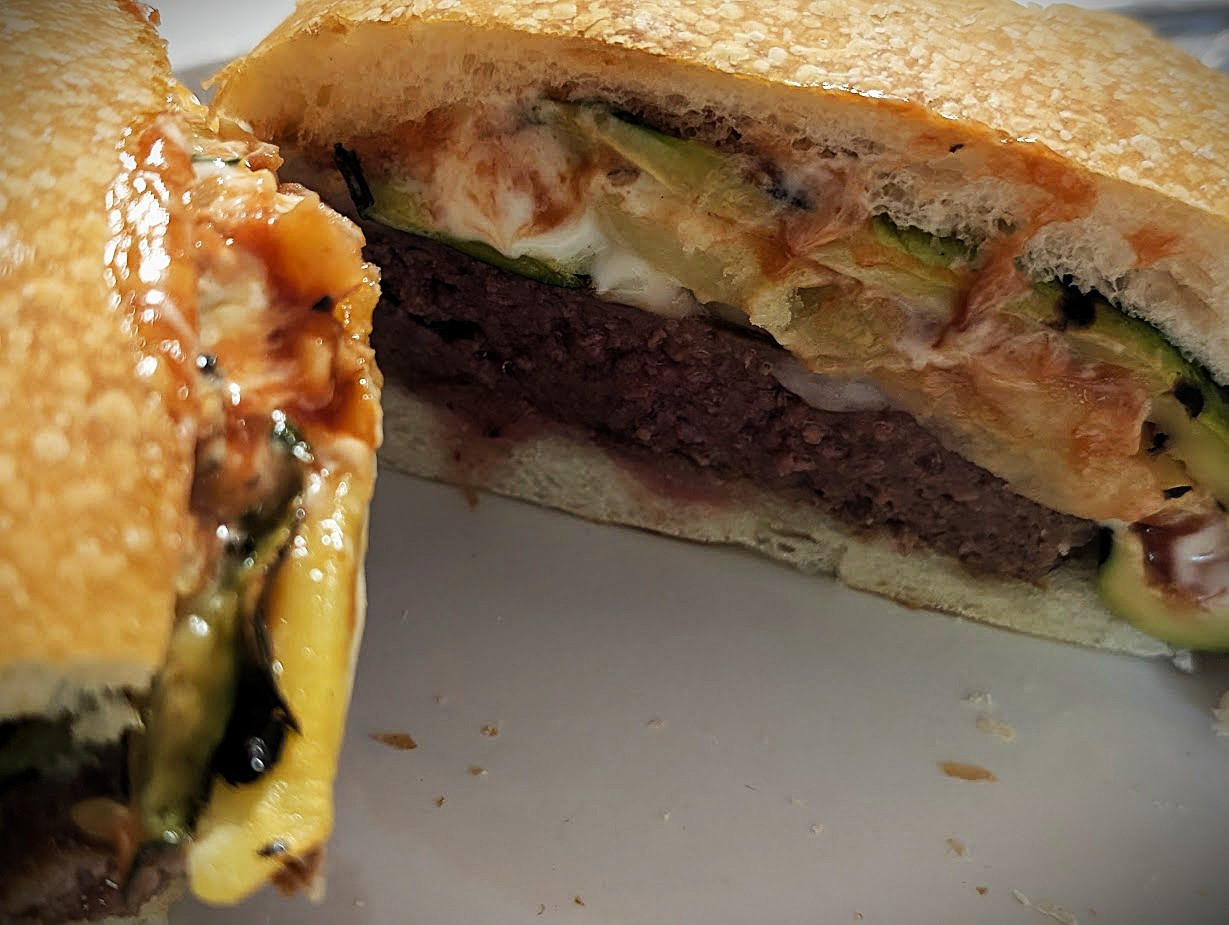 Horse Meat Sandwich with Extra Red Onion JamContinue
-
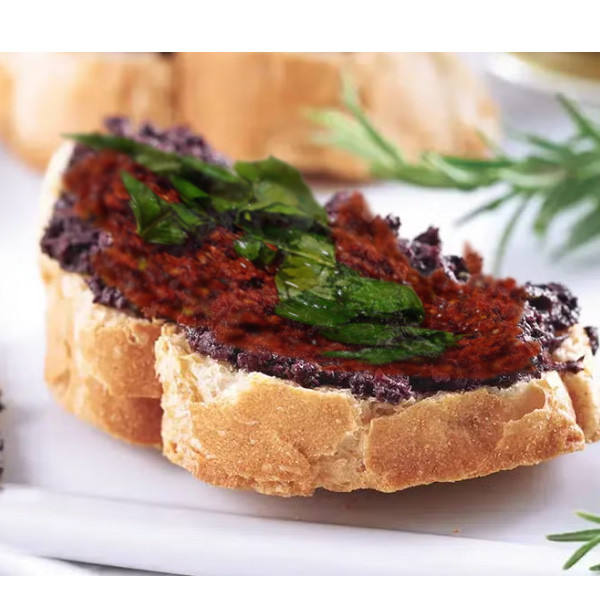 Bruschetta with Capuliato and Black Olive Pâté, a Delicious and Flavorful AppetizerContinue
Bruschetta with capuliato, black olive pâté, and basil, a delicious and flavorful appetizer perfect for any occasion.
-
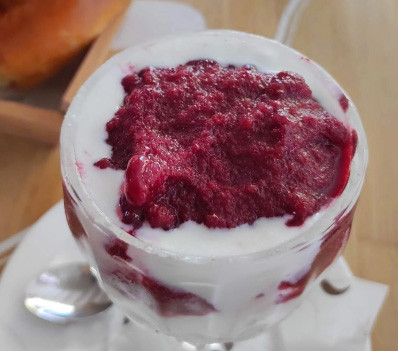 Mulberry Granita with Extra Black Mulberry Jam and Fresh CreamContinue
I'll show you how I make this delicious mulberry granita, sure to satisfy even the most discerning palates, including...
-
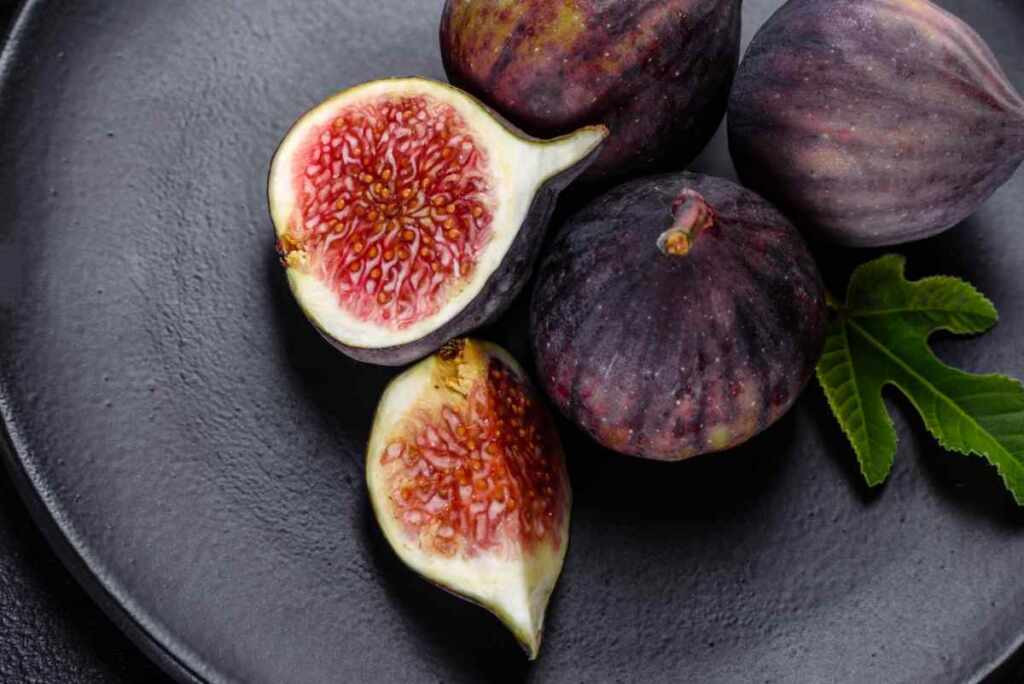 Sicilian Figs: Summer Slows Down and the Air Becomes Sweeter Like HoneyContinue
Sicily has a special moment when summer slows down and the air becomes sweet: it is when the figs ripen. Low trees,...
-
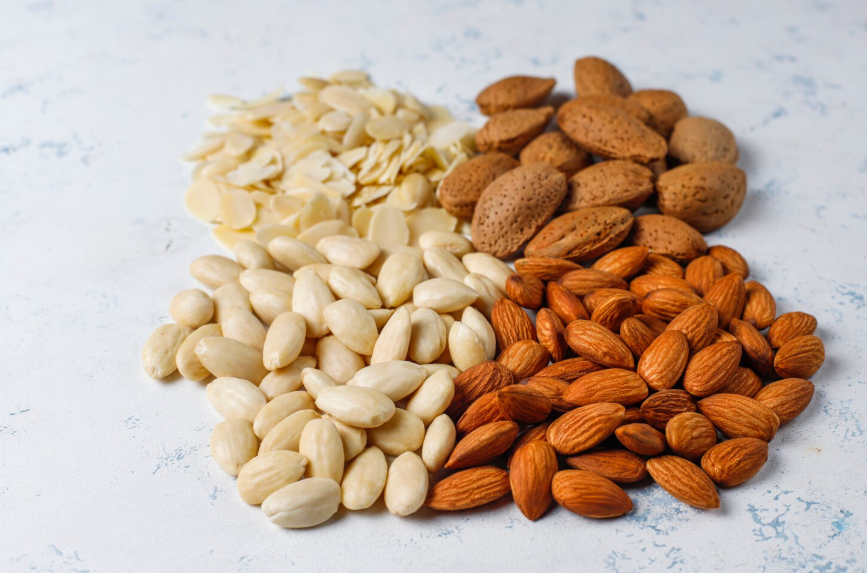 Sicilian Almonds: The Gentle Sound of Petals and the Warmth of StoneContinue
Sicilian almonds have a bold yet delicate character. Some are elegant and subtle, like the lady of an old-fashioned...
-
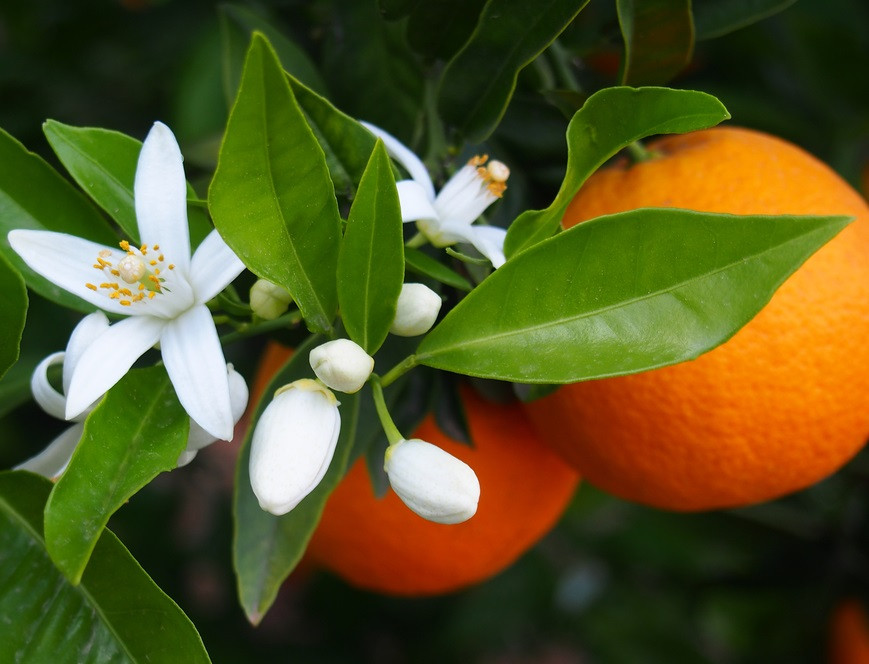 Sicilian Oranges: History, Heritage, and Unmistakable FlavorsContinue
When we talk about oranges, Sicily is a worldwide reference. Here, the generous sun, temperature changes between day...
-
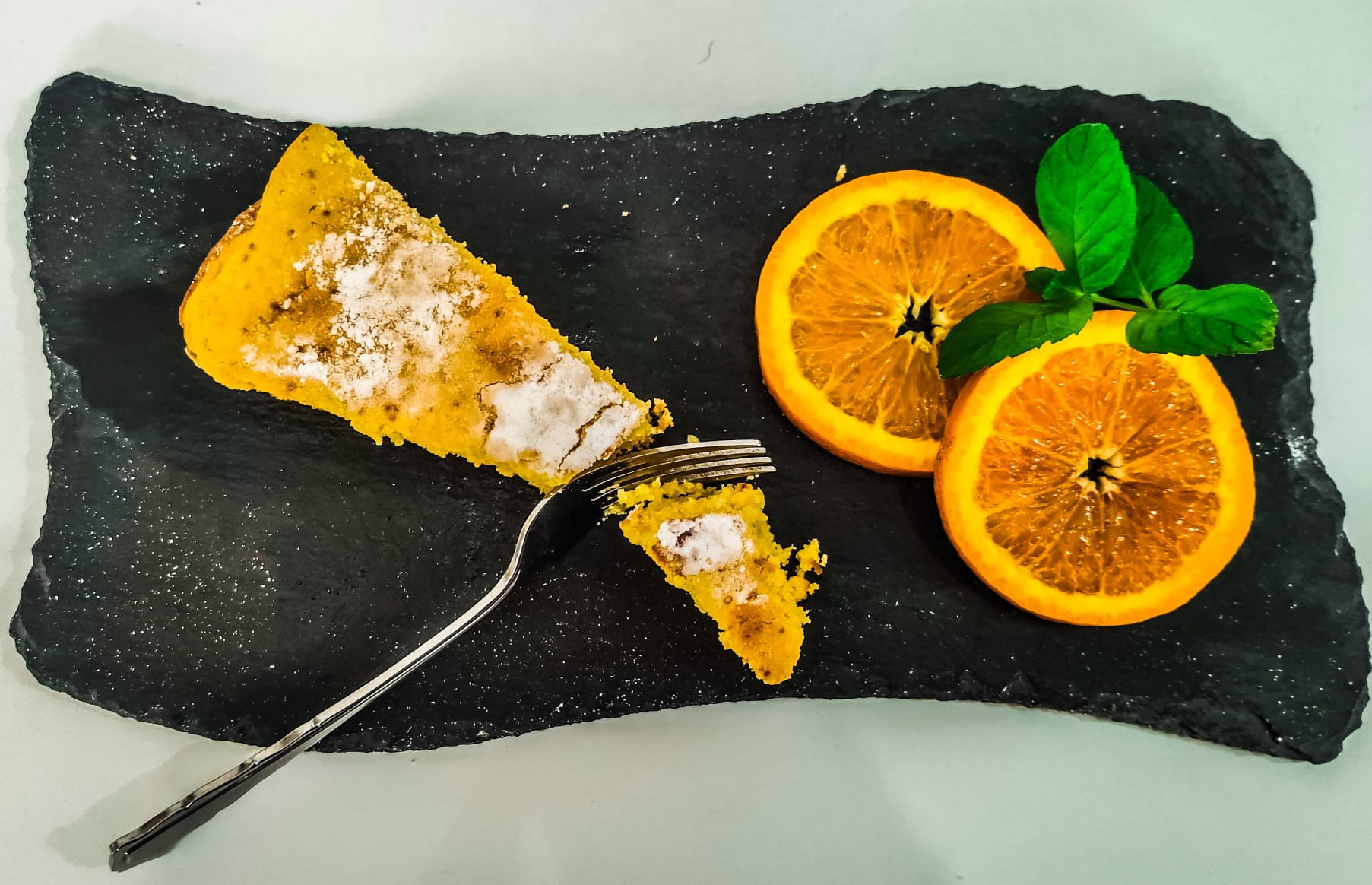 Soft Sicilian Orange CakeContinue
A soft Sicilian orange cake that captures all the fragrance and flavor of Sicily's oranges.
Blog categories
Search in blog
Archived posts
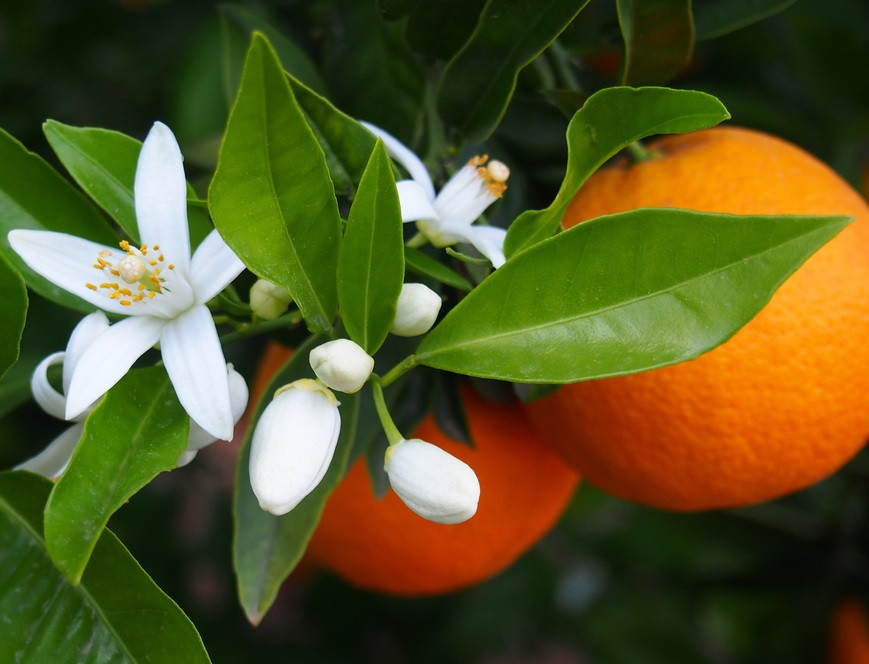
Sicilian Oranges: History, Heritage, and Unmistakable Flavors
When we talk about oranges, Sicily is a worldwide reference.
Here, the generous sun, the temperature changes between day and night, and the mineral-rich volcanic soils create a unique environment that enhances fragrance, sweetness, and juiciness.
It is no coincidence that some of Europe's most iconic oranges grow right at the foot of Mount Etna and in the island's inland valleys.
Citrus fruits arrived in Sicily centuries ago, finding their home in the "giardini d’agrumi", ancient citrus orchards protected by walls and irrigated with ingenious systems, the ideal place to flourish. From that moment on, the orange became part of the landscape and everyday life of Sicilians: a symbol of hospitality, an essential ingredient for sweets, preserves, and beverages, and a protagonist of winter tables.
In Sicily, winter smells of oranges. At dawn, when the air is crisp and the sky turns pink, you can hear the dry crackle of branches: a fruit ready to be picked, its juicy flesh giving way beneath your fingers, releasing a fresh and intense fragrance. It is a scent that has been part of Sicily for centuries, repeated from season to season, bringing the sea, the countryside, and the scent of the earth into the air.
Oranges here are not simply fruit: they are a character, a voice, a way of telling the story of the island. There are the "blonde" varieties, with a bright orange color that seems to glow when the sun shines through it; there are blood oranges, with deep red flesh and a flavor that ranges from sweet to pleasantly tart. And there are the tarocco, sanguinello, and moro varieties, each with its own personality. The first crates appear between November and December, then winter moves forward, and finally the late varieties arrive, stretching the season until the sun returns higher in the sky.
Anyone who walks through a Sicilian orange grove hears a kind of music: the rustling of leaves, the slow footsteps between the trees, the call of someone working nearby. The oranges ripen slowly, bringing light and patience, and when they arrive in the kitchen, they bring a piece of the landscape with them. You place one on a ceramic plate, on the kitchen table, and suddenly the whole room changes: it seems to have a ray of sunshine inside, a promise of energy.
In the kitchen, the orange is an invaluable companion. In the morning, it is freshly squeezed, and there is always someone who says, "Have it first thing in the morning, because you need vitamins!" A fresh salad with fennel and olives, or a rich tuna salad with orange slices. At lunch, the grated zest is never missing from simple dishes, which adds perfume to pasta. And in the evening, if there is time for something more elaborate, it becomes a slow-cooked marmalade, where the finely sliced peel cooks gently and releases its unmistakable aroma, a touch of the sun that suddenly becomes something special.
There is also the magic of the peel: a piece rubbed between your fingers can change the mood of a cream, a chocolate ganache, or a simple butter cookie. Candied, it becomes a treat; infused in a glass of liqueur, it releases aromas for months. And if there are oranges left over, sometimes there is a jar of fragrance waiting to be shared and small gifts to give.
Choosing them is a gentle art, learned through the fingertips that look you in the eye and say, "Take the heavier ones, they are more fragrant." The skin can be smooth or slightly rough, but what matters is that it is intact, elastic, and alive. At home, they are good to see, but even better to eat: the scent fills the kitchen, the juice brightens the morning, and the peel remains fragrant for a long time. But the truth is that when they are good, they disappear long before their expiration date.
Every Sicilian family has a little story that begins with oranges: someone who used to make granita with ice and sugar, someone who taught you to peel them "the right way," a grandmother who kept them in a basket in the kitchen and would say, "They are good for you." They are simple but precious memories, because oranges, after all, are comfort, care, and light. They are a gentle way of saying "it will be okay."
And while winter continues outside, inside a Sicilian kitchen there is always a little orange stillness: a bowl of oranges waiting to be peeled, the sound of knives, the fragrance of chocolate, and an invitation to slow down. To sit. To remember that true goodness comes from a balance of simple things: earth, sun, hands, and time.
In every Sicilian orange there is this story: a journey from the island to you. All you have to do is close your eyes, listen to the fragrance, let the juice run over your hands, and taste it. The rest is done by the eyes, the palate, and a little memory. Because Sicily, when it wants to tell its story, does it very well on its own. With simple words.
Posted in:
Traditional Sicilian Products
Related posts
-
Sicilian Almonds: The Gentle Sound of Petals and the Warmth of StoneSicilian almonds have a bold yet delicate character. Some are elegant and subtle, like the lady of an old-fashioned...Continue
-
Sicilian Figs: Summer Slows Down and the Air Becomes Sweeter Like HoneySicily has a special moment when summer slows down and the air becomes sweet: it is when the figs ripen. Low trees,...Continue
Leave a comment