
 Italiano
 English





A perfect combination of character and sweetness, where the bold flavor of horse meat meets the extra red onion jam...

Contact us:
info@nonna-aretusa.it
info@nonna-aretusa.it
Left Banner
Latest News
-
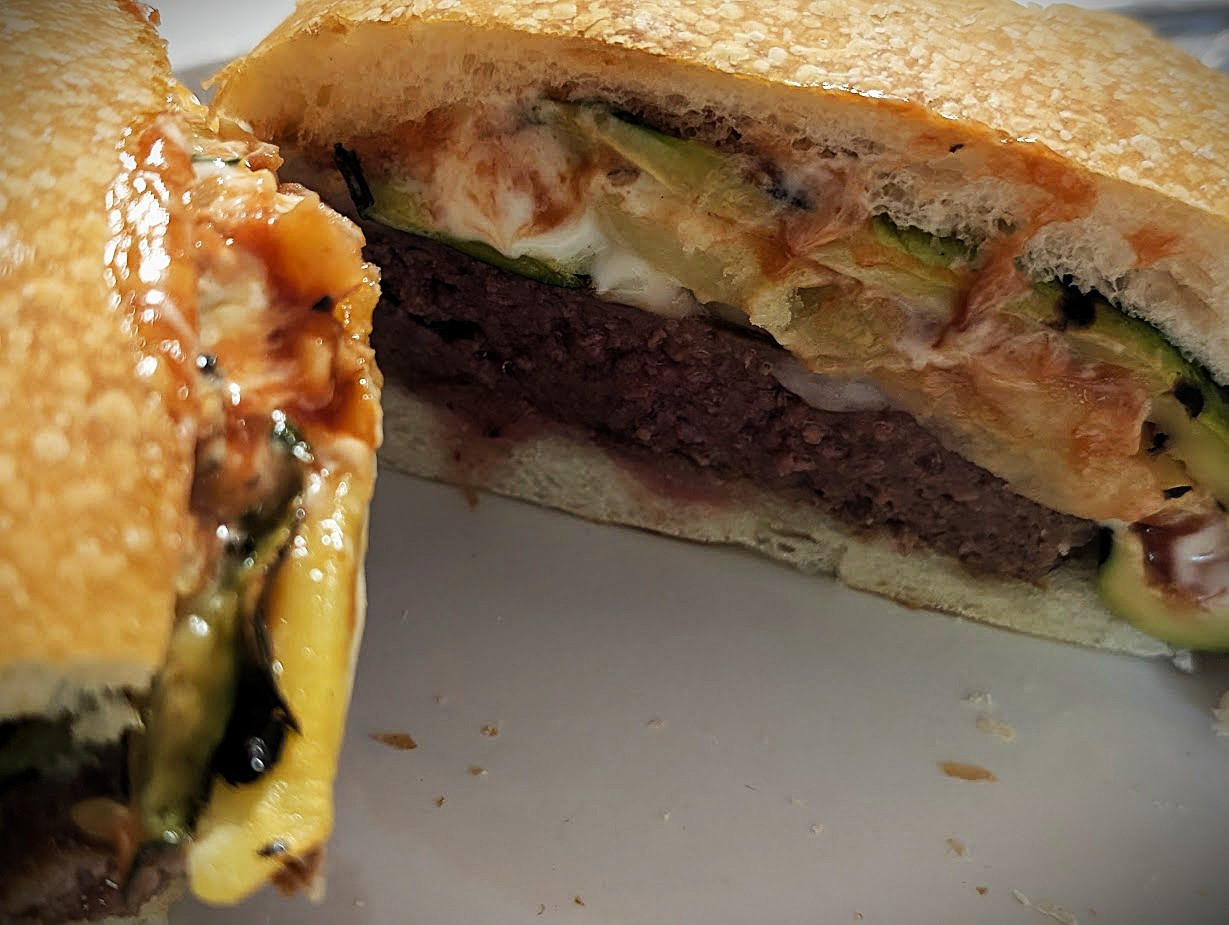 Horse Meat Sandwich with Extra Red Onion JamContinue
-
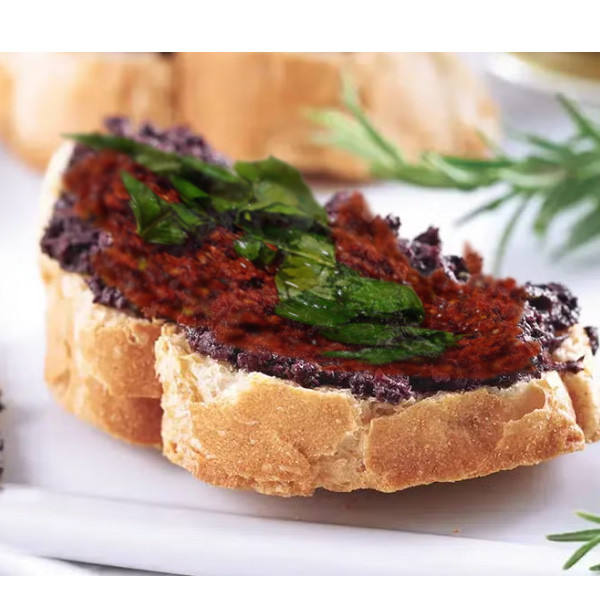 Bruschetta with Capuliato and Black Olive Pâté, a Delicious and Flavorful AppetizerContinue
Bruschetta with capuliato, black olive pâté, and basil, a delicious and flavorful appetizer perfect for any occasion.
-
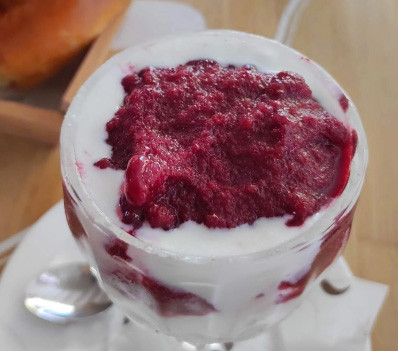 Mulberry Granita with Extra Black Mulberry Jam and Fresh CreamContinue
I'll show you how I make this delicious mulberry granita, sure to satisfy even the most discerning palates, including...
-
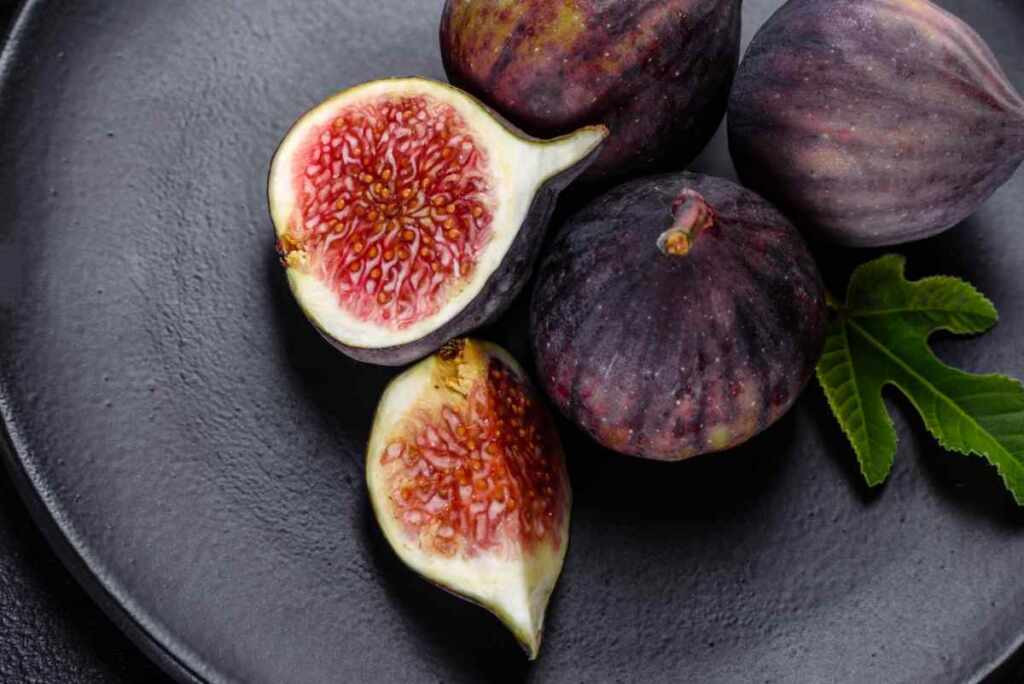 Sicilian Figs: Summer Slows Down and the Air Becomes Sweeter Like HoneyContinue
Sicily has a special moment when summer slows down and the air becomes sweet: it is when the figs ripen. Low trees,...
-
 Sicilian Almonds: The Gentle Sound of Petals and the Warmth of StoneContinue
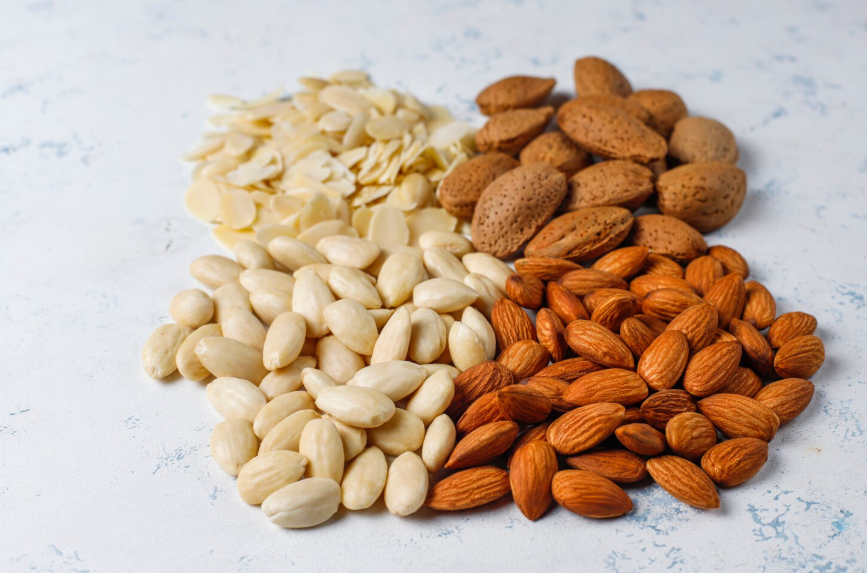
Sicilian almonds have a bold yet delicate character. Some are elegant and subtle, like the lady of an old-fashioned...
-
 Sicilian Oranges: History, Heritage, and Unmistakable FlavorsContinue
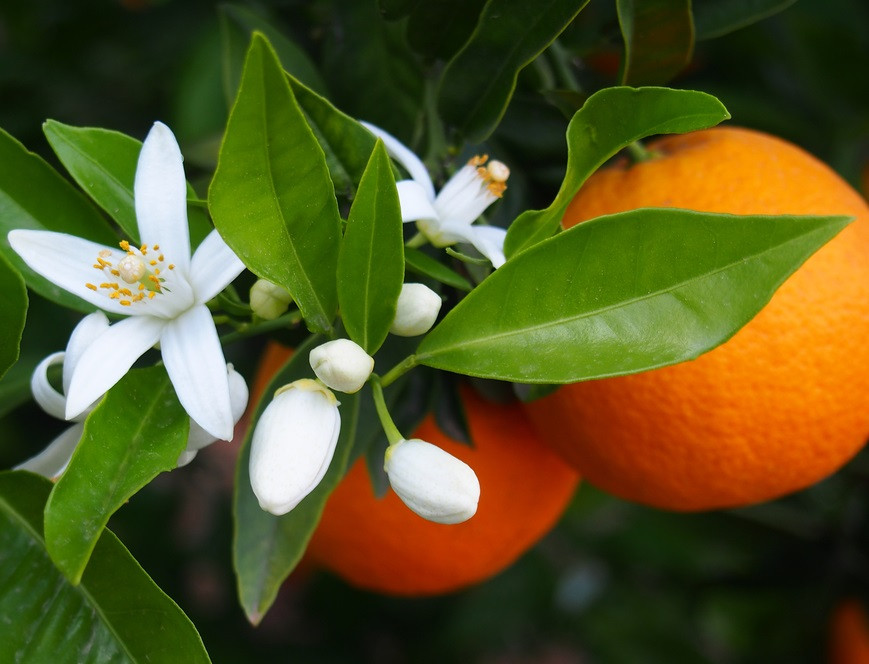
When we talk about oranges, Sicily is a worldwide reference. Here, the generous sun, temperature changes between day...
-
 Soft Sicilian Orange CakeContinue
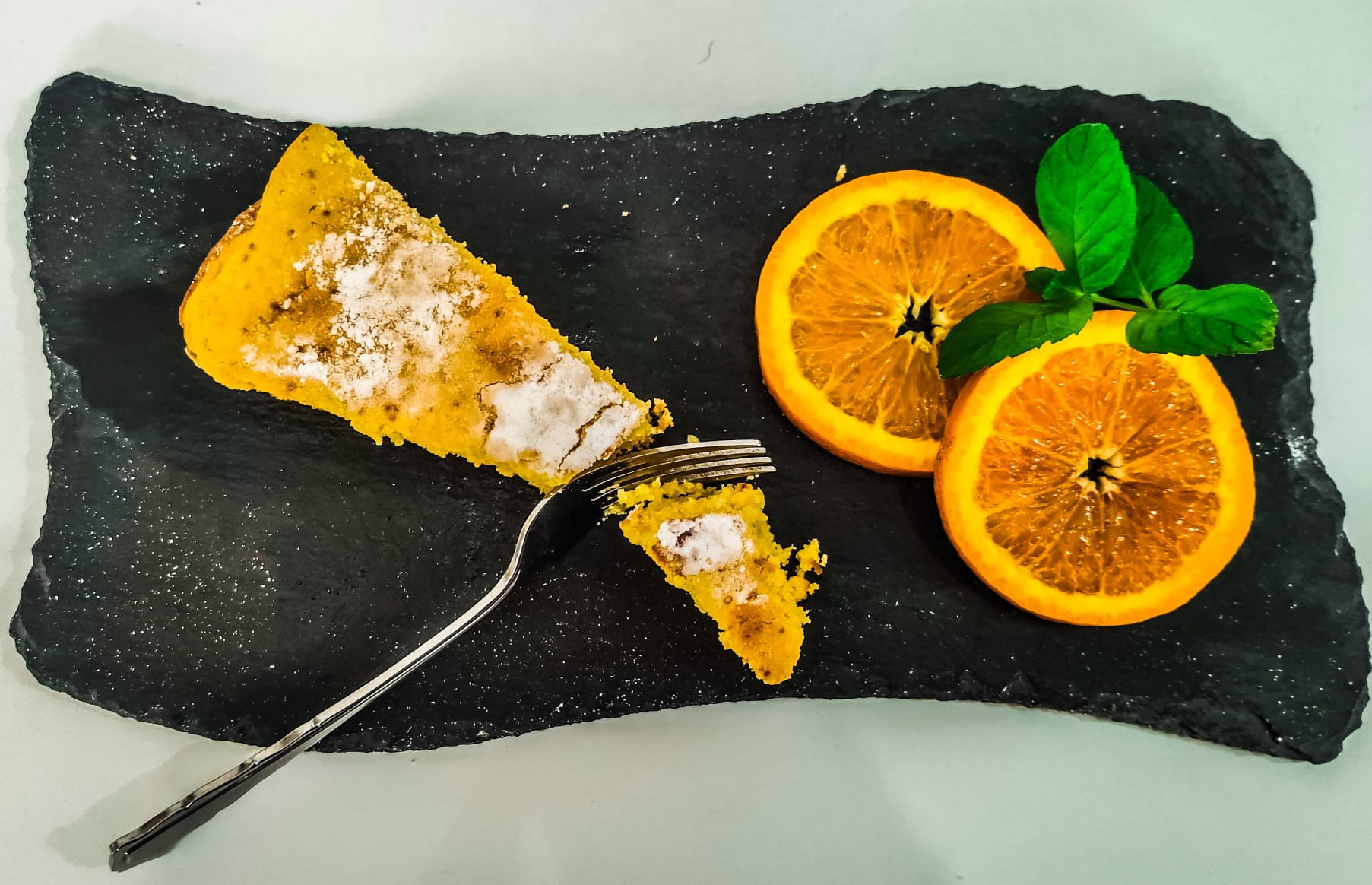
A soft Sicilian orange cake that captures all the fragrance and flavor of Sicily's oranges.
Blog categories
Search in blog
Archived posts
Sicilian Almonds: The Gentle Sound of Petals and the Warmth of Stone
At the end of winter, in Sicily, almond trees are among the first to bloom. They look like snowfall in reverse: clouds of white and pink blossoms beneath a sky that is still cool. The petals fall gently, and the air smells of spring before spring has truly arrived. It is a moment of waiting, a little taste of summer: the fragrance is subtle and sweet, like the memory of a gentle childhood.
Then the summer arrives, and with it the fruit: firm and fragrant, hiding a heart that is hard and sweet. The green almond, still tender, gives way to the ripeness of the fruit, and the shell slowly changes color until it becomes ready to reveal the treasure inside. In the kitchen, almonds become a thousand things: crunchy, creamy, roasted, toasted.
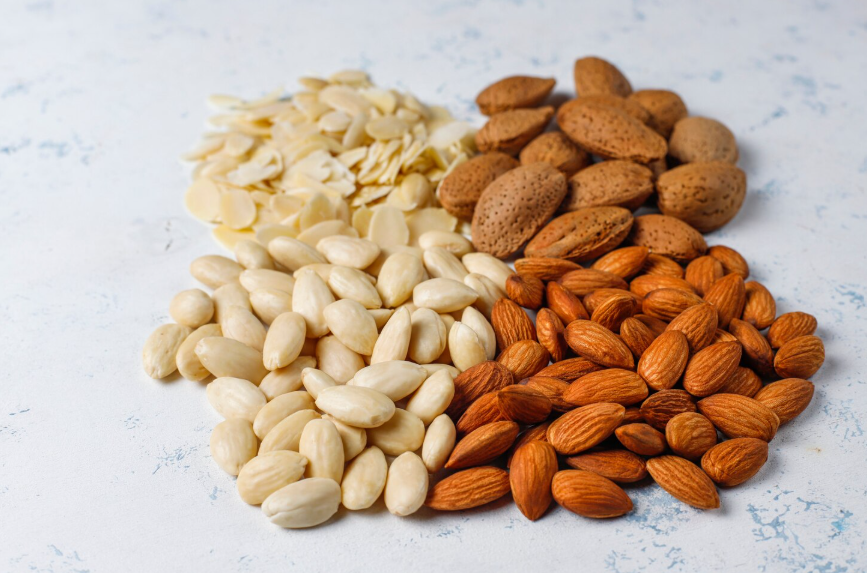
Sicilian almonds have a bold yet delicate character. Some are elegant and subtle, like the lady of an old-fashioned celebration; others are rounder and more generous, with a fragrance that unfolds as soon as you warm them between your fingers. They are called “d’Avola” when they are small and delicate, with a refined, fragrant flavor that lingers on the palate like a melody. Yet each variety of the island has its own unique signature—a note, a memory of wind and salt air.
In the kitchen, the almond is a key that opens many doors. In the morning, it becomes a rich and fragrant almond cream; at lunchtime, it transforms into a traditional Sicilian dish: tomato, basil, almonds, and toasted bread, or perhaps a tuna salad with olives and a touch of vinegar. In the evening, simply spread a little almond paste on a hot fish fillet to bring an elegant and delicious crunch to the table.
And then there is pastry, where almonds in Sicily speak a language of their own. Almond paste is soft and fragrant, delicate and gently creamy. Stuffed almond cookies, small and soft, brighten festive tables, while traditional almond cakes are always welcome at the end of a meal. Orange zest and chocolate meet the almond in an embrace that needs no introduction. Every cookie, every cream, carries with it a thread of light.
Preparing them is simple, almost like a little ritual: a few minutes in boiling water and the skin slips away like a light garment, leaving a warm and shiny almond. Toasting releases the aromas from the oven and brings freshness. Sometimes they are chopped into little pieces, perfect for adding to a salad with fennel and oranges or sprinkling over a zucchini soup, that satisfying crunch that can change the whole dish.
Choosing them is an instinctive gesture: they should feel heavy for their size, and their fragrance should be clean and full. The shell can be smooth or slightly rough, but it should be firm and resistant along the way; squeeze gently under your fingers, listen for the light crack, and if the season is generous, leave a handful in the refrigerator. They rarely last long: your hand reaches for them almost automatically, just as when you turn a song into a familiar memory.
There is an image that remains: almond trees in bloom in the Valley of the Temples in Agrigento. The columns in the distance, the wind moving the petals, the clear sky. It is as if Sicily had decided to remind us, every year, of its vocation for simple beauty—the kind that does not ask for applause but simply accompanies life in all its wonderful days.
In the end, a Sicilian almond is a small piece of earth and time. Inside it are warm stones, shade from carob trees, sweet wind, and a summer that never seems to leave. The landscape, the journeys, and the flavors come together here. These are gestures, aromas, and flavors that carry the whole story of Sicily. And when you chew an almond, a quiet and unexpected joy appears: a bite that brings together the fragrant present and the distant memory of a Sicily that is discreet, luminous, and faithful.
In every almond, there is an island. In every bite, a story that continues.
Posted in:
Traditional Sicilian Products
Related posts
-
Sicilian Oranges: History, Heritage, and Unmistakable FlavorsWhen we talk about oranges, Sicily is a worldwide reference. Here, the generous sun, temperature changes between day...Continue
-
Sicilian Figs: Summer Slows Down and the Air Becomes Sweeter Like HoneySicily has a special moment when summer slows down and the air becomes sweet: it is when the figs ripen. Low trees,...Continue
Leave a comment